Bronze Sculpture
Bronze sculpture has been valued for thousands of years for its strength, beauty and permanence. From ancient civilisations to contemporary art, bronze casting has remained one of the most respected traditions in sculpture. In Ireland, the use of bronze dates back to the Bronze Age, when early Irish metalworkers developed remarkable skills in casting and metalwork. Today, bronze continues to be one of the most sought-after materials for fine art sculpture, public monuments and portrait sculpture, valued for its durability, rich surface qualities and ability to preserve the artist’s original modelling.
Irish sculptor Marie Smith has a long connection with bronze sculpture. She cast her first figurative sculpture into bronze while still studying sculpture at Carmarthenshire College of Technology & Art. Soon after graduating, she began work at AB Fine Art Foundry in London where she trained in all stages of the traditional bronze casting process before specialising in mould making. Working alongside experienced foundry craftsmen on major artworks by leading sculptors provided her with a deep understanding of the technical and artistic processes involved in bronze sculpture.
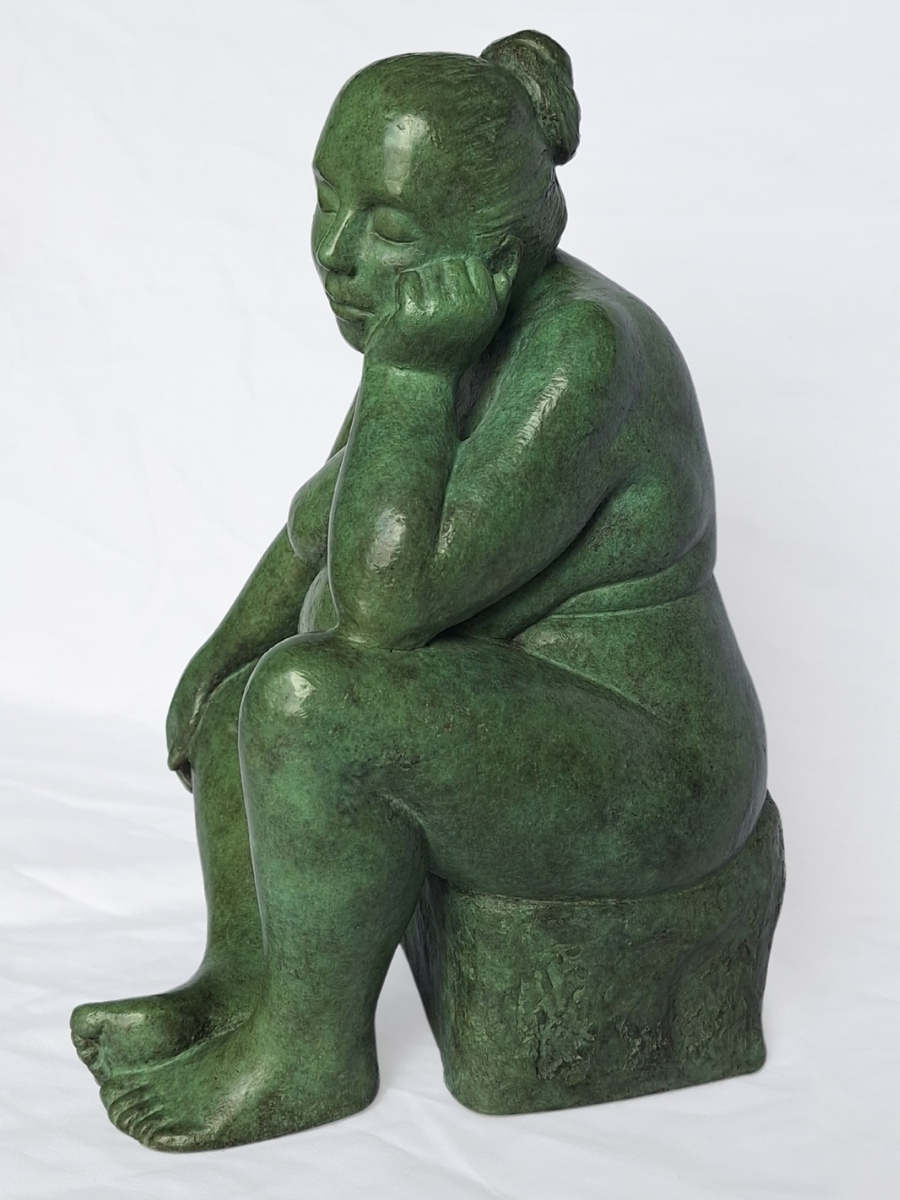
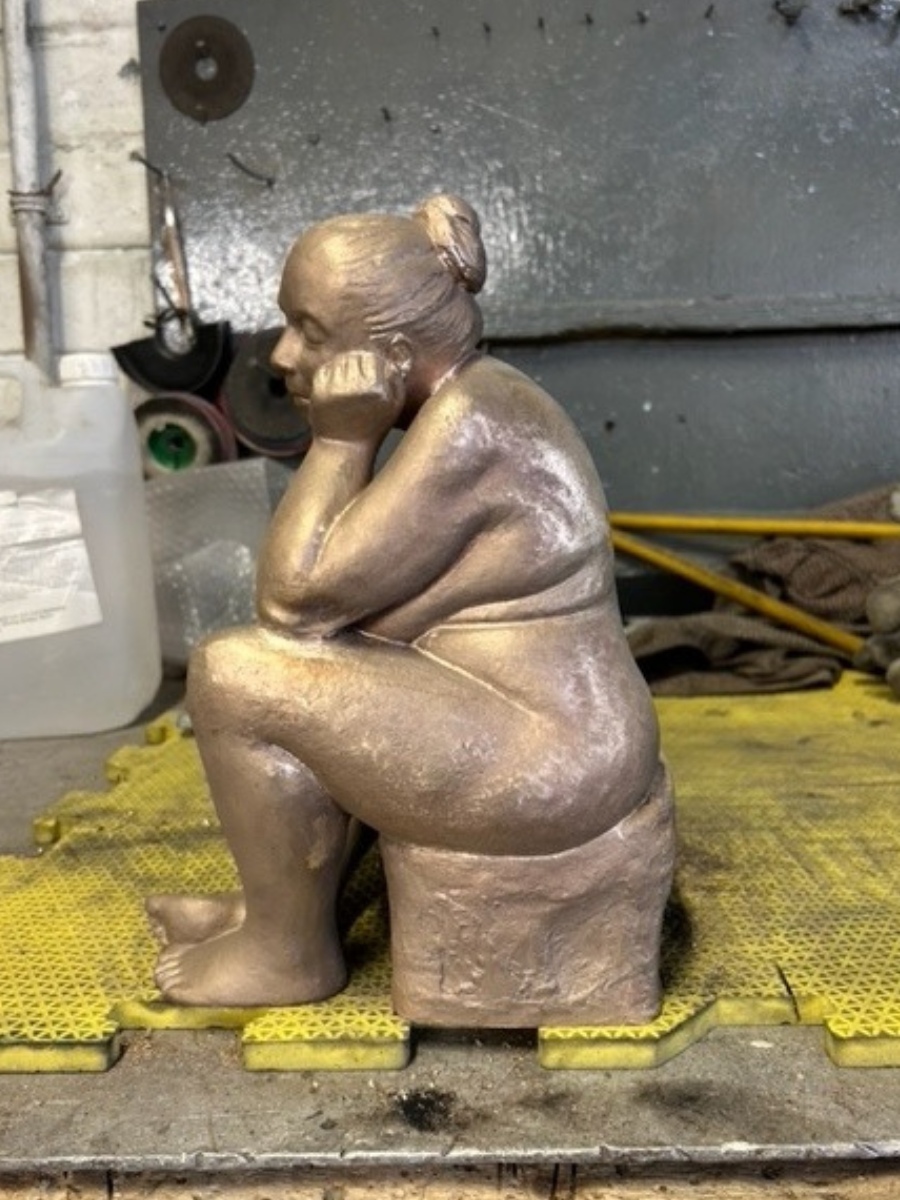
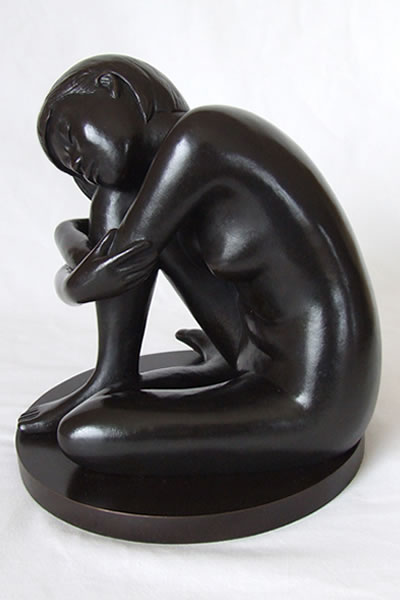
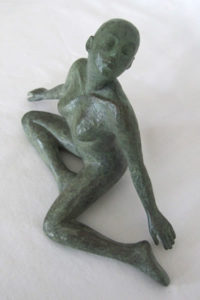
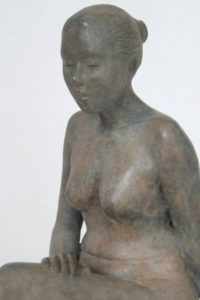
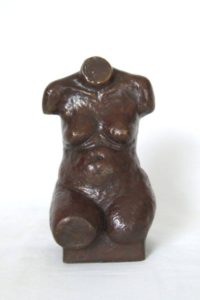
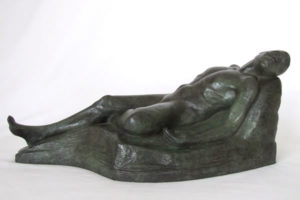
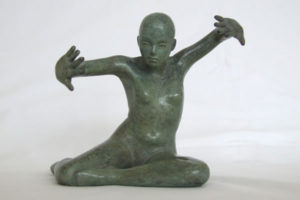
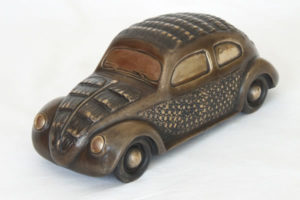
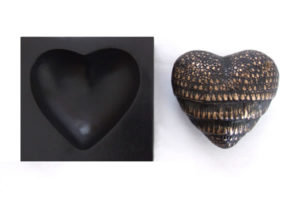
In her studio practice today, Marie Smith models her sculptures in clay before creating a detailed silicone mould from the original work. From this mould she produces wax casts which are then sent to specialist bronze foundries where the sculpture is cast using the traditional lost-wax process. The founders complete the metal finishing and apply a patina to the bronze surface. Patination is an important stage in the process and can create a wide range of colours and finishes, from warm browns and deep blacks to subtle greens and blue tones, enhancing the form and surface of the sculpture.
Bronze sculpture is prized not only for its beauty but also for its longevity. A bronze sculpture can endure for generations and often becomes a treasured object within a home, garden or public space. Many collectors, families and organisations commission bronze sculpture as a lasting tribute to a person, a story or a place. Because of its permanence and timeless quality, bronze remains one of the most meaningful materials for portrait sculpture, figurative sculpture and public art.
Marie Smith continues this long tradition of bronze sculpture, combining classical casting methods with her contemporary figurative sculpture practice to create artworks that celebrate the human form and the enduring power of sculpture.